
How to Maximize Vacation Rental Income in Southwest Florida: The Complete Owner’s Guide
Southwest Florida is one of the highest-earning vacation rental markets in the United States — and most owners are capturing less than their property’s full potential. Whether you own a Gulf-front condo in Bonita Springs, a high-rise residence in Naples, or a canal home on Fort Myers Beach, the gap between what your property earns today and what it could earn with the right strategy is almost always larger than you’d expect.
This guide covers everything — pricing, listing quality, guest experience, seasonal strategy, and the management decision — written specifically for property owners in Bonita Springs, Naples, and Fort Myers Beach. Not generic vacation rental advice. Southwest Florida-specific, 2026-current, and actionable from the first section.
1. Understand Your Market — And Your Position In It
Before optimizing anything, you need to know where your property stands relative to the market. Southwest Florida’s three primary vacation rental markets each have distinct dynamics:
Luxury properties in high-demand Florida markets can achieve net profit margins up to 45%, particularly when they offer premium amenities and are professionally managed. But “Southwest Florida” isn’t one market — it’s three distinct ones, and your strategy should reflect which one you’re in.
Bonita Springs averages $347 per night with 67% occupancy and $84,200 in average annual revenue — the strongest overall occupancy and total revenue of the three markets. Peak month is February. With 824 active listings, it’s less saturated than Naples and more forgiving of imperfect listing optimization.
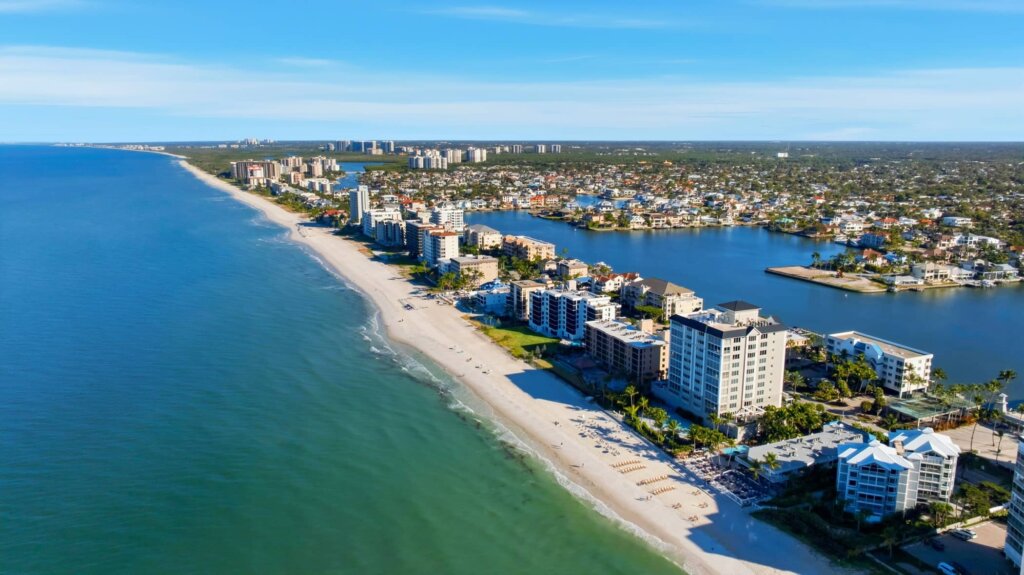
Naples averages $386 per night — the highest nightly rate in Southwest Florida — with 56% occupancy and $42,091 in average annual revenue. Peak month is March. The Naples market is the most luxury-driven and the most sensitive to management quality. The gap between a well-managed and poorly managed property here is larger than in any other SWFL market.
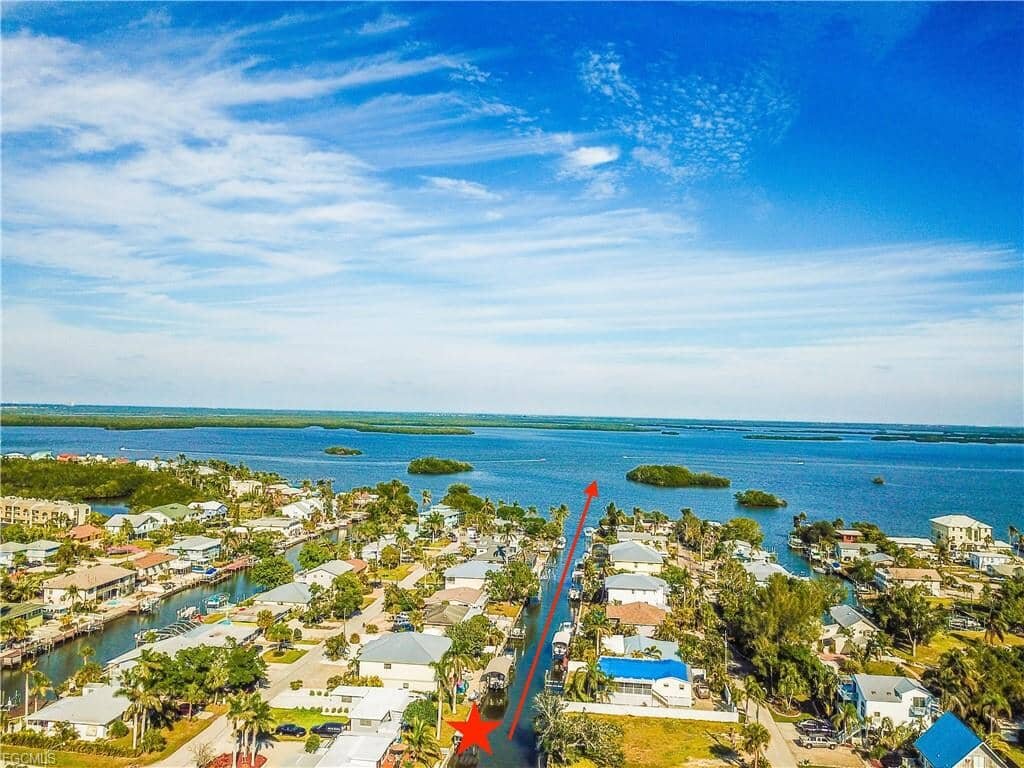
Fort Myers Beach averages $368 per night with 57% occupancy and $53,048 in average annual revenue. Peak months are January and February. Canal homes with private docks and boat access consistently outperform the market average by a meaningful margin.
For a full side-by-side comparison of all three markets, see our Southwest Florida vacation rental income breakdown →
2. Master Dynamic Pricing — The Fastest Revenue Lever
Dynamic pricing tools can increase revenue per available room by 15–20%, and properties using data-driven pricing strategies consistently outperform those on static rates.
If you’re charging a flat nightly rate — the same in February as in August — you’re leaving money on the table during peak season and likely overpricing during shoulder months. Dynamic pricing adjusts your nightly rate based on demand, competitor rates, local events, booking pace, and days until arrival.
How it works in practice for Southwest Florida:
- February–March: This is when you charge your highest rates. A Bonita Springs beachfront condo that rents for $250 in October can justifiably command $400–$500 in February. If you’re not at the top of your market range during these months, you’re underearning on your most valuable inventory.
- November–January: Strong demand, slightly softer than peak. Rates should be 15–25% below your February ceiling but still well above summer.
- April–May: Transition period. Longer minimum stay requirements (3–4 nights) can protect revenue while occupancy softens.
- June–September: Adjust minimums down to 2 nights, price competitively, and target extended-stay and work-from-anywhere guests who fill gaps that weekly guests won’t.
Dynamic pricing tools analyze hundreds of data points continuously to optimize nightly rates, including time of year, demand, popular local events, and closest competitor pricing — ensuring you’re always charging the most competitive rates and maximizing income from every stay. Hostfully
Minimum stay strategy by season:
| Season | Bonita Springs | Naples | Fort Myers Beach |
|---|---|---|---|
| Peak (Dec–Mar) | 5–7 nights | 5–7 nights | 5–7 nights |
| Shoulder (Apr, Nov) | 3–4 nights | 3–4 nights | 3–4 nights |
| Off-season (May–Oct) | 2 nights | 2 nights | 2 nights |
Dropping to 2-night minimums in summer fills your calendar with guests who can’t commit to a week — and two back-to-back 2-night stays almost always outperform one empty week. Obviously, certain HOA restrictions can kill this strategy like a 30 day minimum.
3. Listing Optimization — Your Digital Curb Appeal
Platforms like Airbnb reward listings with high engagement and conversion, meaning better visibility and more bookings over time. Your listing needs professional, well-lit photography, engaging videos, a clear engaging title, a compelling description that highlights amenities and nearby attractions, and accurate details about location, check-in, and rules.
In a Gulf Coast market where guests are comparing multiple properties at similar price points, listing quality is often the deciding factor.
Photography: This is non-negotiable. Professional real estate photography shot during golden hour, with a wide-angle lens and proper staging, consistently outperforms amateur photos. For Gulf-front properties, the money shot is always the view — lead with it. Guests click on the view first and read the description second.
Headline formula that works:
Example: “Top-Floor Gulf & Bay View Condo — Private Balcony, Heated Pool, Steps to Bonita Beach”
Description structure:
- Open with the view and the feeling — not the number of bedrooms
- Describe the living experience, not just the features
- Community amenities (pool, tennis, boat dock, etc.)
- Location paragraph — what’s within walking distance and driving distance
- Practical details — parking, check-in, rules
Platform presence matters: List on both Airbnb and VRBO at minimum. Listing your property on multiple platforms including Airbnb, VRBO, and Booking.com increases your exposure, boosts credibility, and drives more bookings. A property only on Airbnb is missing a meaningful segment of Gulf Coast travelers who book exclusively on VRBO — particularly older, higher-income snowbird guests who tend to be the most lucrative demographic in this market.
4. Guest Experience — The Compounding Advantage
Reviews are the single most powerful long-term revenue driver in the vacation rental business, and they’re almost entirely controlled by the quality of the guest experience you deliver.
Here’s the math: Airbnb’s search algorithm weights properties with higher review scores and more recent reviews above comparable properties with lower scores. A property moving from a 4.7 to a 4.9 rating doesn’t just feel better — it literally ranks higher in search results, gets shown to more potential guests, and converts at a higher rate. That ranking advantage compounds every month.
What Gulf Coast luxury guests specifically expect in 2026:
- Cleanliness above all else. In the luxury segment, a single cleanliness complaint in a review can drop a property’s rating and suppress its visibility for weeks. Hotel-standard cleaning — not vacation home cleaning — is the baseline.
- Instant, professional communication. Response time affects Airbnb Superhost status and platform ranking. Guests in the $350–$500/night range expect a reply within minutes, not hours.
- Local knowledge and personalization. A well-crafted digital or physical welcome guide with genuine local recommendations — not a generic list — is one of the highest-return investments you can make per dollar spent. It costs almost nothing and generates reviews that mention it by name.
- Thoughtful arrival experience. Welcome beverages, a small local gift, or a handwritten note cost $20–$40 per stay and appear in guest reviews disproportionately often.
Creating a memorable experience for guests leads to positive reviews and repeat bookings. Personalized touches such as welcome baskets, informative area guides, and prompt responses to inquiries all contribute to favorable reviews that directly impact your credibility and attractiveness as a rental property.
5. Seasonal Strategy by City
Bonita Springs
Bonita Springs benefits from a long high season driven by proximity to both Naples and Fort Myers markets — travelers who can’t find inventory in either city often book Bonita Springs as a premium alternative, which keeps demand healthy throughout the season.
The Bonita Beach advantage: Properties at Bonita Beach Club, Barefoot Beach, and along Little Hickory Island consistently outperform the Bonita Springs market average due to direct beach access and Gulf views. If your property has water exposure, your strategy should lean heavily on photography and headline copy that front-loads the view.
Off-season play: Bonita Springs has stronger off-season demand than Naples due to its more accessible price point. Extended-stay guests (2–4 weeks) are common in summer and can be targeted with monthly rate discounts of 20–30% that still net significantly more than leaving the calendar empty.
For more on the Bonita Springs market, see our complete Bonita Springs vacation rental management guide → and 2026 Bonita Springs vacation rental market data →
Naples
Naples is the highest nightly rate market in Southwest Florida — and the most unforgiving of poor management. The guests who are booking $400–$800/night properties in Pelican Bay and Old Naples are comparing your listing to luxury hotels and private estates. They have high expectations and they leave detailed reviews.
The Naples premium strategy:
Properties in Old Naples, Pelican Bay, and Vanderbilt Beach command a premium that properties elsewhere in the city can’t sustain — and the positioning of your listing needs to reflect that. Generic listing copy doesn’t work here. Naples guests want to know exactly which building, exactly which floor, exactly what the view looks like at sunset. Specificity signals quality.
Naples peak season is March — later than Bonita Springs and Fort Myers Beach. Many owners make the mistake of dropping rates in late February when Naples demand is still building toward its annual peak. Hold rates firm through mid-March.
For more on the Naples market, see our Naples vacation rental management guide → and 2026 Naples vacation rental market data →
Fort Myers Beach
Fort Myers Beach has the most diverse property type mix of the three markets — beachfront condos, canal homes with boat docks, Gulf-view mid-rise units, and residential homes all competing in the same geography. That diversity means your positioning strategy matters more here than in any other market.
The canal home advantage: Canal homes on Fort Myers Beach with private boat docks consistently outperform the market average. Waterfront properties with direct Gulf access command the highest premiums, and location proves critical for luxury rental success. If your Fort Myers Beach property has a dock, that needs to be in your headline, your first photo, and your top amenity bullet.
Times Square positioning: Properties within walking distance of Times Square warrant a specific positioning strategy targeting couples and entertainment-focused guests rather than the family-beach demographic. The guest profile is different, the search terms they use are different, and the listing copy that converts them is different.
For more, see our Fort Myers Beach vacation rental management guide →
6. Property Presentation — What Actually Moves the Revenue Needle
Not all upgrades are equal. Here’s what genuinely earns back its cost in the Southwest Florida vacation rental market:
High ROI upgrades:
- Blackout curtains in bedrooms — sleep quality complaints are a top review category
- High-speed WiFi with a dedicated router (not shared building WiFi) — remote workers choose properties specifically on connection quality
- Smart locks and keypad entry — guests in the $300+/night range expect self-check-in convenience
- Quality mattresses and hotel-grade bedding — mentioned in positive reviews more often than almost any other feature
- Outdoor furniture on the balcony/lanai — Gulf-view properties where guests can’t sit outside are consistently reviewed lower than properties that invite outdoor living
Lower ROI upgrades:
- Full kitchen renovations — guests appreciate a functional kitchen, not a showroom kitchen
- Smart TVs beyond the main living area — secondary bedroom TVs rarely get mentioned in reviews
- Decorative upgrades without functional value
7. The Management Decision — When to Go Pro
The question of self-managing versus hiring a professional vacation rental management company is ultimately a math problem.
Professional property management addresses seasonal challenges and regulatory complexity while optimizing revenue performance. A professional manager works to improve revenue through better pricing, multi-channel marketing, guest screening, and operational efficiency.
Here’s the honest framework:
Self-management makes sense when: You have time to monitor pricing daily, respond to guests within minutes, coordinate cleaning between same-day turnovers, and handle 11pm maintenance emergencies. When you’re local or frequently present. When you’re managing one property and want to be closely involved. And the ability to provide the additional experiences, like a welcome basket.
Professional management makes sense when: Your time has value elsewhere. You’re not local. You’re managing more than one property. You want maximum revenue without maximum involvement. And critically — when you’re in a market like Naples where the guest profile demands the kind of consistent, professional responsiveness that’s genuinely difficult to maintain as an individual owner.
A professionally managed listing that earns more can more than cover its management fee. Your personalized proposal shows the numbers for your property.
8. The Revenue Formula — What You Can Actually Control
Gross Revenue = Nightly Rate × Occupied Nights
Every optimization in this guide moves one or both of those variables. Dynamic pricing moves the rate. Listing quality moves occupancy. Guest experience moves both — through better reviews that drive both rate and occupancy over time.
A practical example using Bonita Springs averages:
The $28,385 gap between a market-average property and a top-performing one is almost entirely explained by pricing strategy, listing quality, and guest experience — not location, not the property itself.
Frequently Asked Questions
How do I increase my Airbnb bookings in Naples Florida?
The fastest path to more Naples bookings is improving your listing’s conversion rate — better photos, a specific headline that leads with your exact view and location, and enabling Instant Book. Beyond that, moving from a static nightly rate to dynamic pricing typically increases both occupancy and revenue within the first 60–90 days.
What’s the best time to rent out a Bonita Springs condo?
Bonita Springs vacation rentals earn the most in January through March, with February being the peak month. However, a well-managed property with dynamic pricing and flexible minimum stays can generate meaningful income year-round — particularly targeting extended-stay and remote-work guests during May through September.
How much should I charge for a vacation rental in Fort Myers Beach?
The Fort Myers Beach market average is $368 per night with 57% annual occupancy. Beachfront and Gulf-view properties command $400–$600+ during peak season (December–February), while canal homes with boat access can reach similar rates when positioned correctly. The right rate for your specific property depends on floor, view, condition, and competing inventory — get your free rental projection.
What amenities increase vacation rental income the most in Southwest Florida?
In the SWFL luxury market, Gulf or water views, private balconies, and proximity to the beach drive the largest rate premiums. Within the unit, hotel-grade bedding, high-speed WiFi, and blackout curtains generate the most positive review mentions. Outdoor seating that allows guests to enjoy Gulf views earns disproportionate review value relative to its cost.
Is professional vacation rental management worth the fee in Bonita Springs or Naples?
For many Gulf Coast owners who aren’t local or don’t have time for active daily management, it can be. A professional manager handles pricing, listing positioning, and a consistent guest experience, and a listing that earns more can more than cover its management fee. Results vary by property, so your free rental projection and personalized proposal show the numbers for yours.
Get Your Free Rental Projection

Every tip in this guide applies to your property differently depending on your specific location, unit type, floor, view, and condition. The best next step isn’t guessing — it’s getting a property-specific analysis based on what comparable properties in your exact building or neighborhood are actually earning.
Exclusive Gulf Escapes provides a free, no-obligation rental projection for property owners in Bonita Springs, Naples, and Fort Myers Beach.
We’ll show you exactly what your property could earn with professional management — and what’s holding it back from earning more today.
Data sources: Rabbu 2026 SWFL STR Market Analytics, AirROI 2026 Market Reports (Bonita Springs, Naples, Fort Myers Beach), Airbtics Annual Revenue Data, Avantio Vacation Rental Pricing Report 2026, Hostfully STR Income Guide 2026. Market averages represent trailing twelve-month data as of mid-2026. Individual property performance varies based on location, condition, amenities, and management quality.
Find Out What Your Gulf Coast Property Could Earn
"*" indicates required fields